Precision as a Standard.
At Kyoto Logic Group, technical excellence is not a goal—it is the baseline. We maintain rigorous documentation and verification logic for every high-tech system we architect, ensuring that complex data environments remain stable, secure, and predictable under load.
Formal Verification Methods
We employ mathematical proofs to verify that our system logic adheres to specific functional requirements. Unlike traditional testing which samples edge cases, formal verification ensures the correctness of the underlying algorithms across all possible states, a necessity for mission-critical systems in the financial and logistics sectors of Kyoto.
Redundancy and Failover Logic
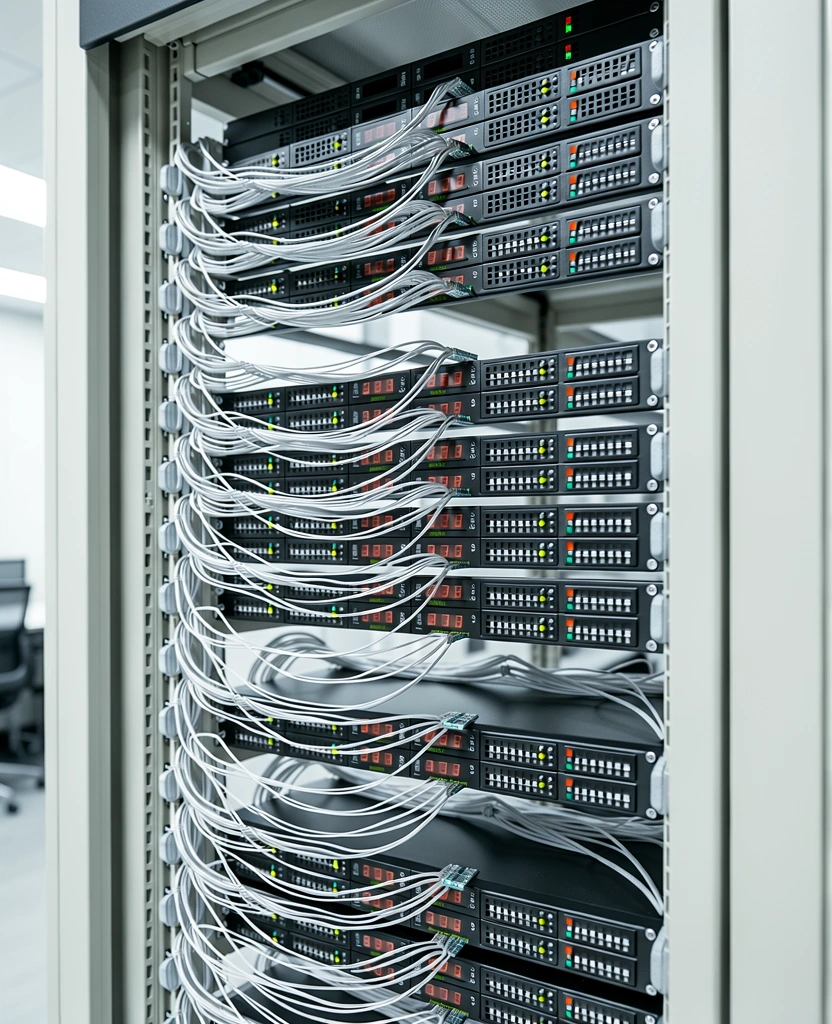
Data loss is treated as a systemic failure. Our standards dictate triple-redundancy protocols where data is mirrored across geographically distinct nodes. Every logic group within our systems is designed to fail-soft, preserving state integrity even during hardware degradation or network interruption.
The Zero-Trust Architecture
Our technical standards follow a Zero-Trust model. No entity—whether inside or outside the network—is trusted by default. Every transaction and data request must be authenticated, authorized, and continuously validated before access is granted, effectively minimizing the attack surface of the entire logic group.
Performance Benchmarking
A slow system is a failing system. We enforce strict latency thresholds for all DB queries and API calls. Our Kyoto-based team monitors these metrics in real-time, applying automated optimization routines when performance drifts outside of our established 20ms baseline for local node clusters.
Quality Control through Sanitized Environments
Every piece of logic group software undergoes a staged deployment process. We utilize precise containerization to ensure that the environment where the software is built is an exact mirror of where it will eventually run. This eliminates the "it worked on my machine" variable entirely.
Our quality control measures include automated regression tests, static code analysis, and peer-to-peer logic review by our senior systems architects. We believe that trust is earned through the consistent absence of failure, not through marketing promises.
- ISO 27001 Aligned Workflows
- SOC2 Type II Readiness
- Continuous Logic Auditing
- Deep Packet Inspection
Operational Compliance Metrics
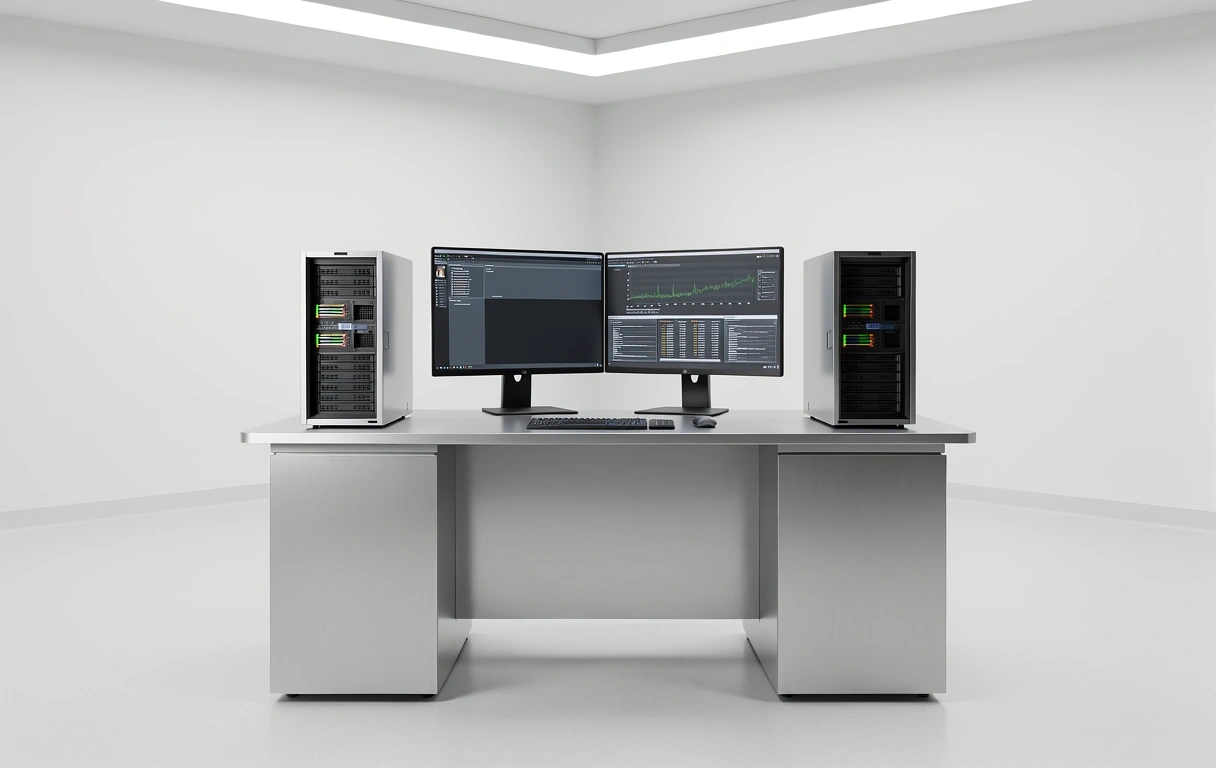
Our systems operate within strictly defined parameters, monitored 24/7 from our Kyoto operations center.
Encryption Standards
AES-256 for data at rest and TLS 1.3 for data in transit are our non-negotiable baselines for all logic group deployments.
ENCRYPTION_v4RC2Hardware Validation
Before any logic group software is pushed to production, the underlying hardware must pass a 48-hour stress test at 95% capacity.
HW_VALIDATION_ST1Audit Trails
Every system modification is logged with immutable cryptographic signatures, providing an unalterable history of infrastructure changes.
LOG_CHAIN_ALPHABeyond Compliance: Total Observability
We don't just follow standards—we help define them. Kyoto Logic Group provides clients with real-time access to system health dashboards and compliance reporting tools. This transparency ensures that you are never guessing about the stability or security of your systems.